
Five Oakland Coaches Answer
“Coaching is social work 101,” says Ed Washington, head football coach at Castlemont High School. “My why is not football.”
That question, “What are you coaching for?”, sat at the center of the Oakland Athletic League (OAL) Coaching Professional Development Institute. For four weeks, more than 40 coaches and athletic staff from Oakland Unified School District (OUSD) middle and high schools came together to sharpen their craft, build a shared league culture, and talk honestly about what it takes to support student-athletes on and off the field.
The Institute is part of our work alongside Positive Coaching Alliance and the OAL to make sure every Oakland student has access to the joy of sports. That starts with the culture coaches build. Funded by Eat. Learn. Play., the partnership supports 300 head and assistant coaches across middle and high school teams with training in sportsmanship, mental health, strength and conditioning, and inclusion.
We sat down with five participants to hear their answers. They work in different sports, at different schools, at different points in their careers. Each one arrived at the same idea: coach the person, not just the player. Here’s what they shared, in their own words.
Edward Washington, Castlemont High School: Coaching for life after football
Ed went to Castlemont, and for 12 years he has led its football program. He played college football and studied social work, so when a former teacher suggested coaching, the fit was obvious. He and his staff, many of them Castlemont alumni, ended the school’s four-year losing streak and have kept building since. At the Institute, he was both a participant and a mentor, sharing more than a decade of experience with newer coaches.
“My why is to help them navigate through this thing called life, because football one day is going to end. I always tell my students, I am you in a few years. So, I want you to see yourself in me. You could go to college or go to trade school. But you’re going to leave here with a plan. Through the coaching institute, I’ve been putting theory to what I’m doing in practice. I think every coach in Oakland, even the Bay Area, needs this training. It feels good to be learning and being able to help people along the way.”
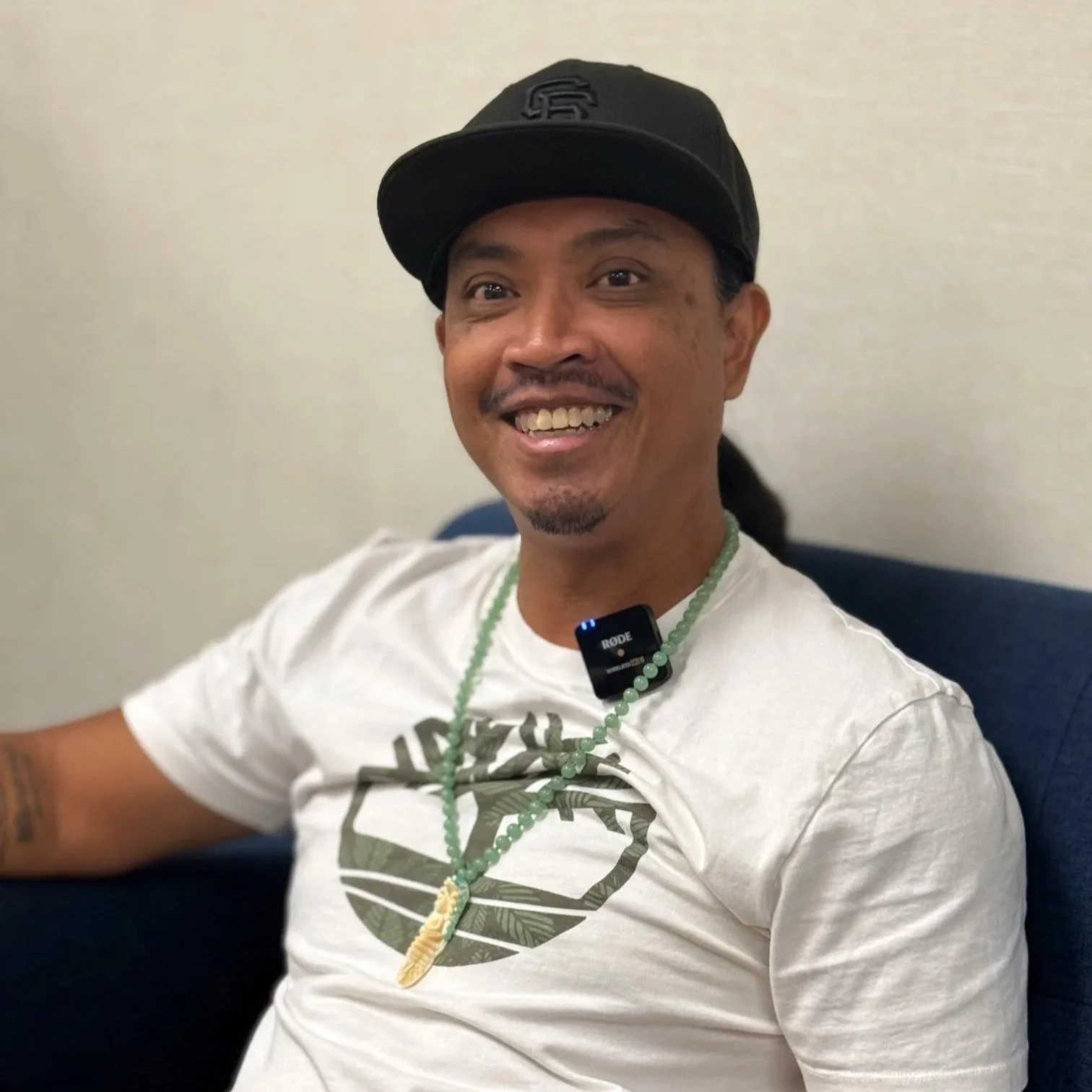
“In the past three weeks I have learned so much more about coaching than just getting that W. How do I develop young kids to become a better person just in general, not just in sports?”
—Jake Chutt, Montera Middle School
Jake Chhut, Montera Middle School: Coaching for more than the W
Jake coaches varsity volleyball and girls’ varsity softball at Montera, heading into his second year. He got into coaching through supporting his daughter’s team and stayed on because of the fulfillment he experienced from helping young people grow. At the Institute, he deepened his focus on student mental health and is leaving with tools to recognize when a player is struggling and point them toward support.
“In the past three weeks I have learned so much more about coaching than just getting that W. How do I develop young kids to become a better person just in general, not just in sports? Because a championship is only winning for that one year. As young people develop into adults, it’s really important to check in with their mental health to make sure they’re okay. Learning how to identify and learning how to talk to them and give them resources and putting them in the right direction really means a lot to me. Hearing a lot of these other coaches, their philosophy of coaching, how we’re supposed to develop kids, and checking in with their mental health to make sure they’re okay is really important to me these days. And I learned that by coming to this training.”
Marcel Johnson, Skyline High School: Coaching for what they’ll remember
Marcel is the varsity baseball coach and program director at Skyline High School, now three years in. Baseball runs in his family: he played minor league ball, his son was a second-round draft pick, and this past season he coached the Skyline Titans to a semifinal run that the program hadn’t seen in years.
“I’m still learning this coaching aspect of life, no matter how long I’ve been in it. Most of these kids aren’t leaving to be athletes, they’re leaving to go into college... But what will they say about Marcel? What did I pour into them as a human being? This training is bringing out the real teacher in me. We’ve touched on so many different subjects. They are making Skyline a better place to be because of what I’m learning and taking from the staff and other coaches.”
Jaleesa Collins, Fremont High School: Building the systems that hold students up
Jaleesa helps keep Fremont’s athletics program running. She is the college and career readiness specialist at Fremont, her alma mater, and unofficially serves as its assistant athletic director. She has spent about 18 years in post-secondary readiness in OUSD, starting at Castlemont in 2007 and launching Fremont’s college and career center in 2012. On the athletics side, she handles the student-facing work: physicals, grades, and check-ins. She also built the systems that keep the program running, from a uniform inventory that puts coaches in charge of collecting gear to an athlete program handbook she’s developing, so families and students are aligned on expectations.
“It’s very important for us to revisit what coaching looks like, especially in this day and age. I love that this training is bringing the middle school and high school coaches together, so we can have authentic conversations about how we can streamline the systems to support a student coming from middle school to high school to be an athlete. When we create these systems, it’s to show our young people that whether you’re going to school, graduating, or going to the workforce, there are certain rules and regulations you have to abide by. We are learning how to model the behaviors and communication skill sets that we want our students to reflect back to us.”
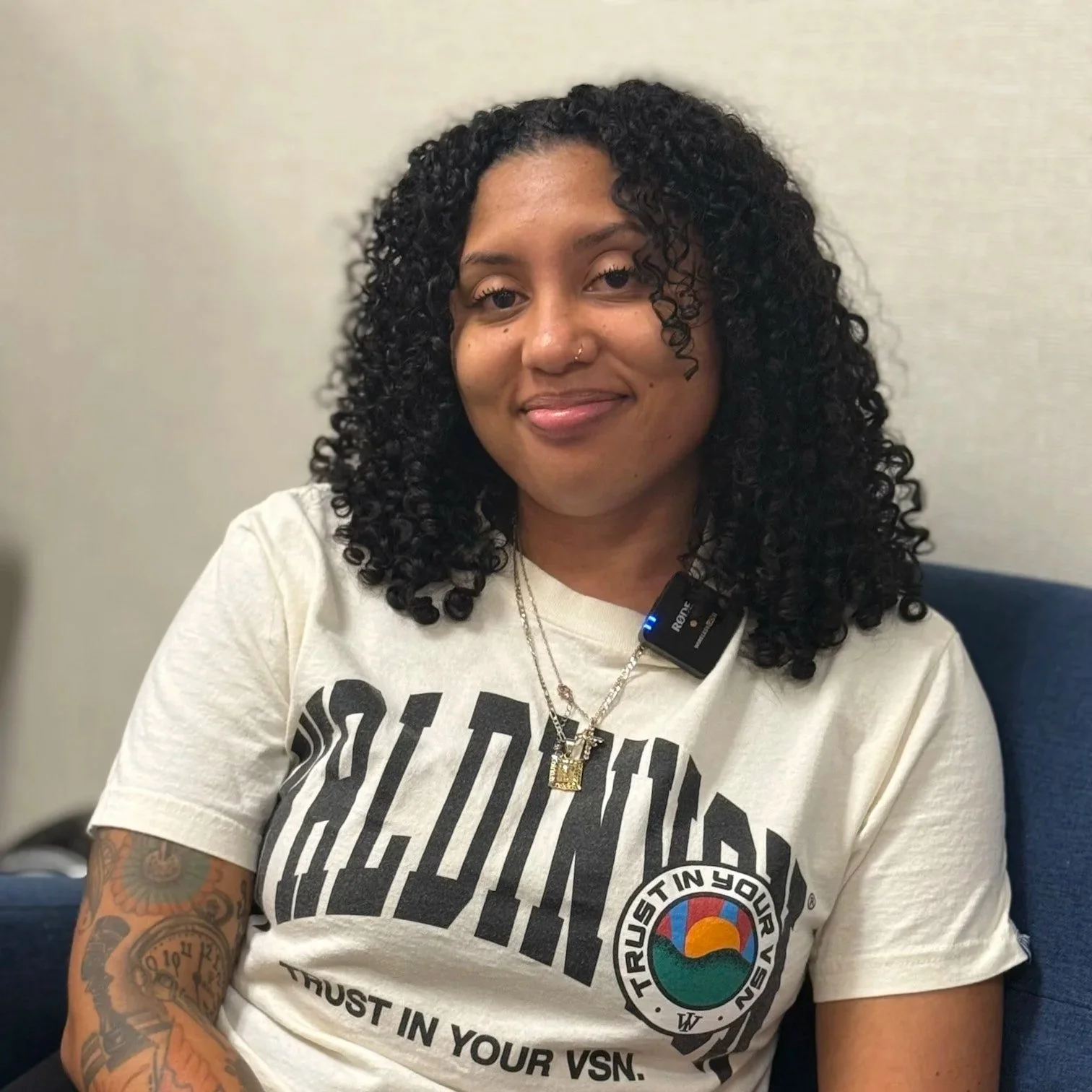
“What kind of seeds can I plant in young people, even though I may not be the one to water it? Because the sport may not work out, but you want to leave students with tools and resources that they can use outside of the sport.”
- Mosi Richardson, Claremont Middle School
Mosi Richardson, Claremont Middle School: Planting seeds
Mosi has been with Claremont for five years. She has coached the girls’ and boys’ varsity volleyball teams for the past three seasons, bringing her experience from four years of playing high school volleyball. The day starts at 8 a.m. in the classroom, rolls straight into practice, and the week ends with Saturday games. Mosi sees every one of those hours as a chance to be an advocate for students. This year brought a big group of returners who came back stronger after working on their game over the summer.
“In this space, we get different perspectives and different coaching styles to help us reflect on ourselves as coaches. One of the things that stuck with me was that we are developing people, not just athletes. You never know what a kid is going through. So, when you encounter different personalities and different kids with different backgrounds, you wonder, how can I help you make things better? What kind of seeds can I plant in you, even though I may not be the one to water it? What can I leave you with that’ll help you in the years to come? Because the sport may not work out, but you want to leave students with tools and resources that they can use outside of the sport.”
So, what are they coaching for? For these five, the answer has little to do with wins and losses. It’s the plan a senior walks out with. It’s the check-in that gets a seventh grader through a hard week. It’s the seeds a coach plants, knowing someone else may be the one to water them. When Oakland coaches grow, Oakland kids grow with them.